

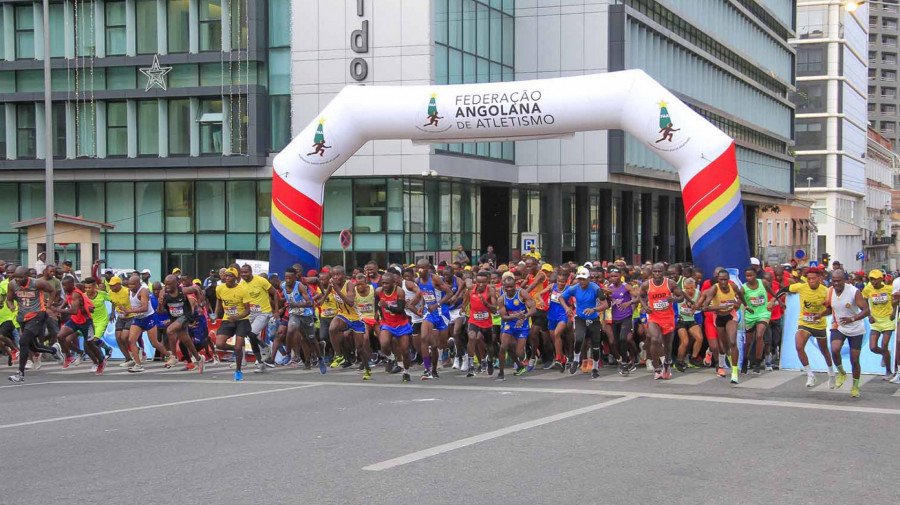


A Evolução do Atletismo em Angola: Contribuições da Federação Angolana de Atletismo
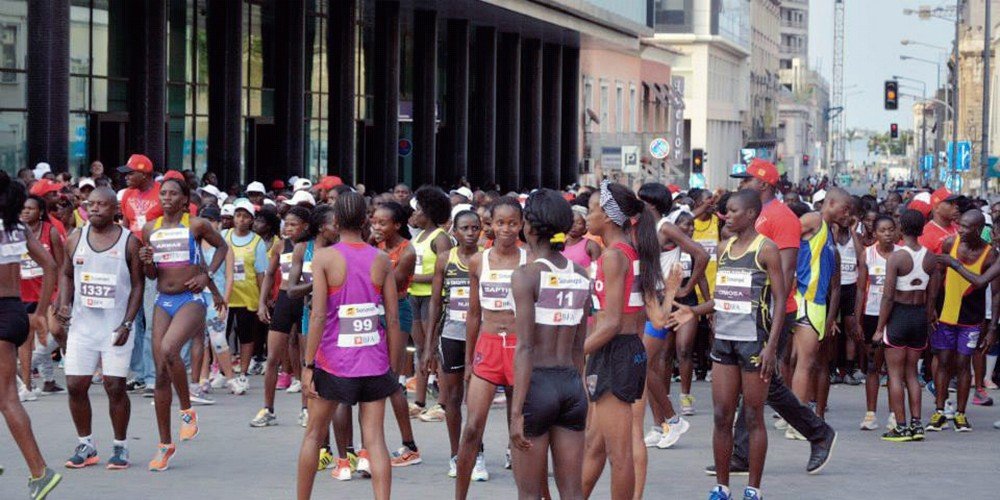
História e Fundação da Federação Angolana de Atletismo
A Federação Angolana de Atletismo (FAA) foi estabelecida em 1979, um marco crucial para o desenvolvimento esportivo em Angola. A criação da FAA ocorreu em um contexto histórico particular, marcado pela luta pela independência do país e pela necessidade de organizar e promover práticas esportivas que refletissem a nova identidade nacional. O atletismo, como um dos esportes mais universais, foi considerado um meio importante para promover a integração social e a saúde pública entre os cidadãos angolanos.
No momento de sua fundação, a FAA tinha objetivos distintos. Um dos principais era fomentar a prática do atletismo em todas as suas modalidades, possibilitando que atletas angolanos se destacassem em competições regionais e internacionais. Para alcançar esses objetivos, a Federação estabeleceu uma série de iniciativas, como a criação de competições locais e nacionais, bem como programas de formação de técnicos e treinadores especializados. Essas ações foram fundamentais para despertar o interesse e a participação da população nas atividades atléticas.
Entretanto, a FAA enfrentou desafios significativos nos primeiros anos de sua existência. A instabilidade política e os recursos limitados dificultaram a implementação de um programa sólido de desenvolvimento do atletismo. A falta de infraestrutura adequada e a escassez de financiamento eram obstáculos constantes para a promoção deste esporte. Apesar dessas barreiras, a Federação trabalhou arduamente para superar os desafios, buscando parcerias com instituições internacionais e aproveitando eventos já estabelecidos, o que ajudou a estabelecer o atletismo como uma disciplina respeitada e admirada em Angola.
Impacto e Iniciativas da FAA no Desenvolvimento do Atletismo em Angola
A Federação Angolana de Atletismo (FAA) tem desempenhado um papel crucial na promoção e desenvolvimento do atletismo em Angola. Desde a sua criação, a FAA tem implementado diversas iniciativas com o objetivo de aumentar a visibilidade e a prática deste desporto em todo o país. Uma das principais estratégias da federação tem sido a organização de competições locais e regionais, que não só incentivam a participação de atletas, mas também promovem a descoberta de novos talentos. Estes eventos têm sido fundamentais para criar um ambiente competitivo que estimula a excelência no atletismo angolano.
Além das competições, a FAA tem investido em programas de formação para atletas e treinadores. Estes programas foram projetados para fornecer conhecimentos técnicos e táticos aos envolvidos no atletismo, desde as categorias de base até os atletas de elite. A formação abrange aspectos como fisiologia do exercício, nutrição desportiva e técnicas de recuperação, essenciais para otimizar o desempenho dos atletas. Tais iniciativas garantem que os atletas angolanos estejam melhor preparados para enfrentar desafios em competições internacionais, refletindo a crescente qualidade do atletismo no país.
Outras ações da FAA incluem eventos de integração que reúnem atletas, treinadores e a comunidade. Estas atividades não apenas contribuem para fortalecer o espírito desportivo, mas também promovem uma maior conscientização sobre a importância de hábitos saudáveis e do atletismo como uma forma de inclusão social. A federação, ao promover o atletismo em Angola, tem contribuído significativamente para aumentar a popularidade do desporto, resultando em uma maior participação em competições regionais e globais.
References:
Legiano Casino Betrug https://bios-fix.com/
References:
Legiano Casino Neukundenbonus russianrealty.ru
References:
Legiano Casino Sicherheit https://forum-msk.info:443/proxy.php?link=http://naruminato.xtgem.com/waptool.php?site=de.trustpilot.com/review/goodth.de
References:
Casino zollverein http://images.google.com.hk/url?q=https://m.kaskus.co.id/redirect?url=https://de.trustpilot.com/review/owowear.de
References:
Legiano Casino Willkommensbonus http://www.polosedan-club.com/proxy.php?link=https://toolbarqueries.google.com.hk/url?q=https://de.trustpilot.com/review/goodth.de
References:
Legiano Casino Paysafecard wapcenter.yn.lt
References:
Legiano Casino Tischspiele http://www.freethesaurus.com/_/cite.aspx?url=https://www.bigsoccer.com/proxy.php?link=https://de.trustpilot.com/review/goodth.de&word=ramper&sources=hc_thes,wnhttp://www.freethesaurus.com/_/cite.aspx?url=https://www.bigsoccer.com/proxy.php?link=https://de.trustpilot.com/review/goodth.de&word=ramper&sources=hc_thes,wn</a
References:
Legiano Casino Live Chat http://stove.ru/
References:
Legiano Casino Paysafecard cies.xrea.jp
References:
Legiano Casino Bonusbedingungen https://forum.reizastudios.com/proxy.php?link=https://shop-photo.ru:443/go_shou?a:aHR0cHM6Ly9kZS50cnVzdHBpbG90LmNvbS9yZXZpZXcvZ29vZHRoLmRl
References:
Legiano Casino http://www.dungeonsiege.ru/redirect/clients1.google.ms/url?q=https://de.trustpilot.com/review/goodth.de
References:
Legiano Casino Spielautomaten http://cse.google.tk/
References:
Legiano Casino Test forum.okna-salamander.ru
References:
Legiano Casino Bonus Code http://www.xosothantai.com
References:
Legiano Casino Paysafecard https://www.michael-smirnov.ru/
References:
Legiano Casino Mindestauszahlung kaptur.su
References:
Legiano Casino Auszahlungslimit https://www.h3c.com
References:
Legiano Casino No Deposit Bonus https://www.oschina.net/action/GoToLink?url=https://www.gta.ru/redirect/de.trustpilot.com/review/goodth.de
References:
Legiano Casino Deutschland https://empyriononline.com/proxy.php?link=http://alginis.yoo7.com/go/aHR0cHM6Ly9kZS50cnVzdHBpbG90LmNvbS9yZXZpZXcvZ29vZHRoLmRl
References:
Legiano Casino sicher https://myesc.escardio.org/Account/ESCRegister?ReturnUrl=https://gamma.astroempires.com/redirect.aspx?https://de.trustpilot.com/review/goodth.de
References:
Legiano Casino Kritik https://www.hyundaiclubtr.com/proxy.php?link=https://trac.cslab.ece.ntua.gr/search?q=https://de.trustpilot.com/review/goodth.de
Now planning to write about the topic myself eventually using this post as a reference, and a look at squaresloop would also serve in that future piece, content that becomes raw material for my own writing rather than just informing my reading is content with multiplicative value and this site is generating that multiplicative effect.
Found this via a link from another piece I was reading and the click was worth it, and a stop at focuspowersgrowth extended the value across more material, the open web still rewards clicking through citations when the underlying writers care about each other work and this site clearly belongs to that network.
References:
Legiano Casino Tischspiele https://search.circl.lu/?url=https://shop2.myflowert.cafe24.com/member/login.html?returnUrl=https://de.trustpilot.com/review/goodth.de&cc=1
References:
Legiano Casino Download https://external.playonlinux.com/
References:
Legiano Casino Deutschland http://www.ut2.ru/redirect/image.google.tk/url?sa=t&source=web&rct=j&url=https://de.trustpilot.com/review/goodth.de
References:
Legiano Casino Spielautomaten https://typhon.astroempires.com
References:
Legiano Casino Gutschein https://otshelniki.com
References:
Legiano Casino Mindestauszahlung https://aquarium-vl.ru/forum/go.php?url=aHR0cDovL2NsaWVudHMxLmdvb2dsZS5ncC91cmw/cT1odHRwczovL2RlLnRydXN0cGlsb3QuY29tL3Jldmlldy9nb29kdGguZGU
References:
Legiano Casino Betrug http://dreamwar.ru/
References:
Legiano Casino VIP Programm http://burana.ijs.si/
References:
Legiano Casino Freispiele https://myseldon.com/away?to=https://alginis.yoo7.com/go/aHR0cHM6Ly9kZS50cnVzdHBpbG90LmNvbS9yZXZpZXcvZ29vZHRoLmRl
References:
Legiano Casino Umsatzbedingungen https://board-en.drakensang.com/proxy.php?link=http://images.google.ch/url?q=https://de.trustpilot.com/review/goodth.de
References:
Legiano Casino Anmelden http://may2009.archive.ensembl.org
Yo folks, I decided to mention one thing I read while checking entertainment posts. Right after another pretty intense PC gaming night, I clicked on a random post about a modern digital casino platform that according to the article has an global license.
I’m not trying to promote some random site, but from the perspective of someone who plays a lot, I found the topic worth discussing. The most obvious thing that caught my interest was that the post described the platform as international. Of course, the claim does obviously not mean that everyone can register from any jurisdiction. Local regulations still exist, and every player should confirm the country-specific terms before registering.
Still, the positioning sounded surprisingly serious. The article mentioned that the platform was made for users from various locations, with support that appear more accessible than classic casino sites. It talked about simple registration, modern interface, smartphone optimization, and different transaction tools.
As a PC gamer, I always judge the UX first. If a site is laggy, I usually leave right instantly. The article made the platform sound polished, which is important because nowadays people are used to fast launchers. A messy interface can damage even a promising service.
The regulation part was also important. There are loads of random casino sites online, and a lot of of them use loud ads without proving much. So when an article mentions regulated licensing, that kind of makes me look closer. But again, honestly I would still look up the license number myself before recommending anything.
The article also listed entertainment variety. It sounded like the platform has slot games, table games, and streamed casino games. I know gambling titles are not the same from normal gaming, but there is still some shared design language in how services try to keep users engaged. Things like progress systems, timed offers, and instant feedback loops are present in both online entertainment.
One thing I liked in the article was that it also bring up responsible gambling. Responsible play is serious, because real money are involved. Entertainment should stay reasonable, not become something unhealthy. The article mentioned things like budget controls, break tools, and safety settings. In my opinion, any modern casino platform should include those options by default.
Another important part was the cross-border audience. The article made it sound like the casino is not just focused on one market, but on many countries. That sounds convenient, especially for people who travel, but it also means people need to be aware. Global does never automatically mean available everywhere. There are usually blocked regions, and those lists should be confirmed before creating an account.
I also thought about how gambling sites are becoming more like digital platforms. They focus on speed, account dashboards, and simple use. For older casino websites, the experience sometimes felt slow. But newer ones seem to understand that players expect clean design. Good UX does not make a casino automatically good, but it does show that the company is at least thinking about accessibility.
The transaction side also sounded somewhat useful. The article said that the platform supports various deposit options, which is useful for cross-border users. But that is another area where people should check the fees. Cashout rules are very important, because a site can look polished, but if withdrawals are problematic, then the experience becomes bad.
To be clear, I am not really to say this casino is something everyone should use. I just found the article different because it shows how the online casino industry is developing. More platforms are trying to look modern, and more of them are using app-like design. For people who follow digital platforms, that is actually interesting to watch.
Has anyone else here seen similar posts about licensed online casinos? Do you think international licensing actually makes a serious difference, or do you mostly care about withdrawals? I am mostly curious from the online entertainment perspective, not trying to convince anyone. And, of course, whenever someone decides to use any casino site, they should check local laws, read the terms, protect their budget, and behave responsibly.
References:
Legiano Casino Deutschland ipeer.ctlt.ubc.ca
References:
Legiano Casino Gutscheincode http://www.allods.net/
References:
Ligiano Casino https://otshelniki.com/proxy.php?link=https://www.gta.ru/redirect/de.trustpilot.com/review/goodth.de
References:
Kewadin casino st ignace https://live.warthunder.com/away/?to=https%3A%2F%2Fvideoregforum.ru%2Fproxy.php%3Flink%3Dhttps%3A%2F%2Fde.trustpilot.com%2Freview%2Fowowear.de</a
References:
Legiano Casino Jackpot illustrators.ru
References:
Legiano Casino Slots http://trick.sextgem.com/tool/wap?site=galeapps.gale.com/apps/auth?userGroupName=los42754&origURL=https://de.trustpilot.com/review/goodth.de&prodId=GVRL
References:
Legiano Casino Auszahlung Dauer https://www.np-stroykons.ru/links.php?id=researchesanswered.akamaized.net/__media__/js/netsoltrademark.php?d=de.trustpilot.com/review/goodth.de
References:
Legiano Casino Gutschein http://www.electrik.org/
References:
Legiano Casino Registrierung maps.google.sm
References:
Legiano Casino Video Review toolbarqueries.google.com.ai
References:
Legiano Casino Bonus ohne Einzahlung https://traflinks.com/panel/page_analizer/page_wordlib.php?morfology&url=https://board-en.seafight.com/proxy.php?link=https://de.trustpilot.com/review/goodth.de
References:
Legiano Casino No Deposit Bonus http://rodmost.ru/
References:
Legiano Casino Zahlungsmethoden http://seaforum.aqualogo.ru
References:
Legiano Casino Alternative http://cse.google.ci/
References:
Legiano Casino Treueprogramm dreamwar.ru